
A designer recovery kit might get attention. A recovery habit you keep coming back to is worth more. That is the distinction I keep coming back to when I think about luxury moving into wellness.
A carousel by Anastasia Shtompel about luxury's interest in wellness prompted this reflection. Its useful starting point was the connection between brands and everyday rituals. My interest is what happens beyond the campaign: does the product or experience actually earn a place in someone's life?
The routine is becoming part of the identity
Training, a coffee afterwards, recovery, the clothes that stay on for the rest of the day. Those moments do not sit in separate boxes anymore. They overlap with work, friendships and travel.
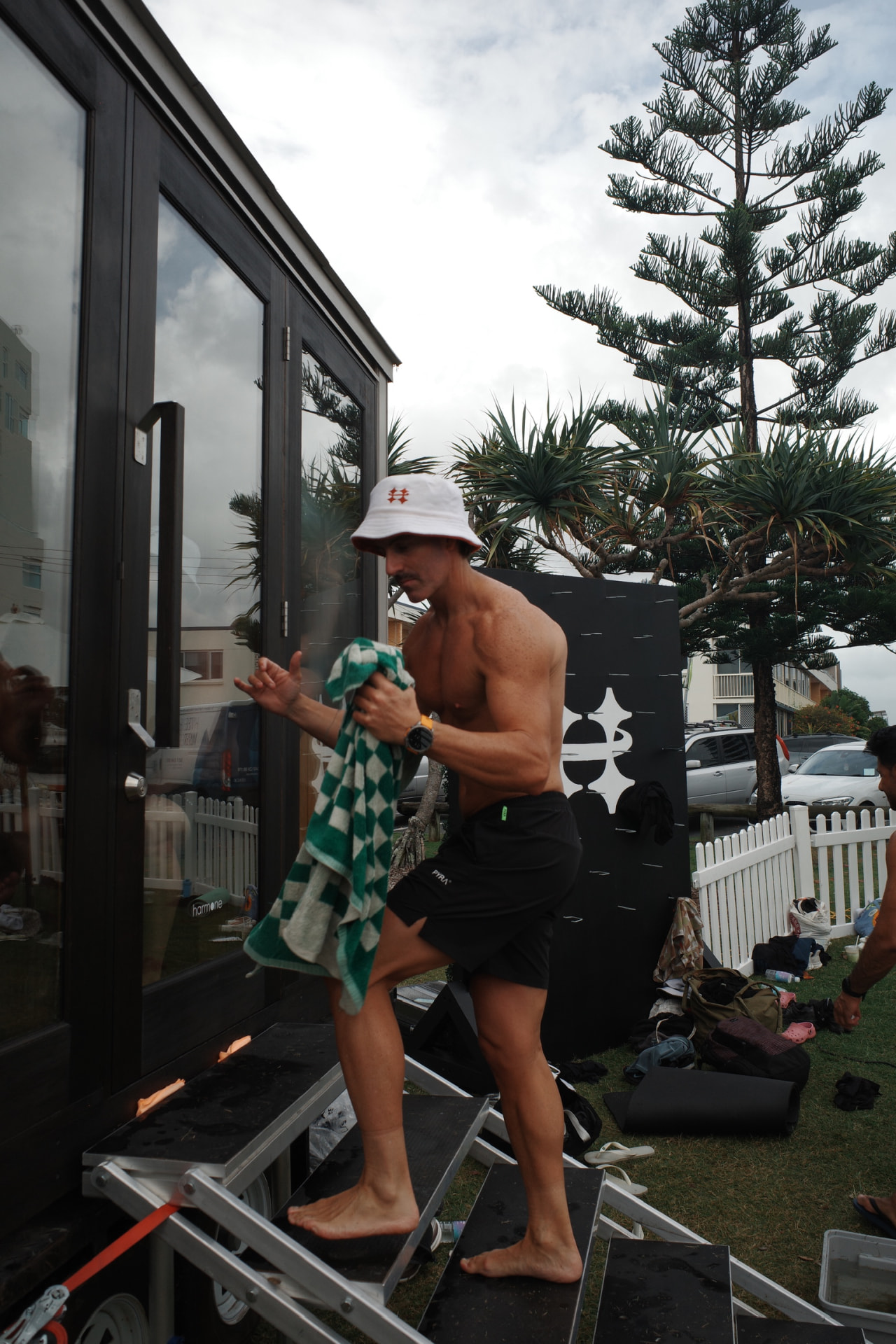
That overlap is familiar in my own world. Strength training, long days on foot, sauna and coffee are already part of the story. They are not a separate wellness persona that switches on for a photo. They are the context around the work.
For a brand, that changes the question. It is not only, "How do we get noticed?" It is, "Where do we belong in a routine someone already values?"
The brand examples are real. The interpretation is mine.
Dior's Haute Wellness collection brings together exercise, mindfulness and sleep, with products including mats, fitness accessories and silk sleep accessories. Balenciaga describes its TechWear line in the context of a wellness focused lifestyle, and its partnership with Barry's includes studio takeovers and customised classes. Official brand sources support those examples, not a claim that a luxury label improves wellbeing.
There is a substantial market behind the interest. The Global Wellness Institute estimates the global wellness economy at US$6.8 trillion in 2024, up 7.9% from 2023, and projects US$9.8 trillion by 2029. Its 2025 Monitor covers a broad economy, not just luxury products or recovery centres. The projection is not a guaranteed outcome.
My reading is that these brands are looking beyond the object to the way people spend their day. That is a strategic interpretation. It does not tell us whether a particular campaign works, whether customers return or whether the product is better than a simpler alternative.
My journey has been from participant to operator
P3 started for me as a paying member, not a business pitch. A community event introduced me to people who would become co-founders. The relationship came before the role. That is an important part of my network story, because it keeps the business grounded in participation.
Now, as part of the P3 Global founding team and a director and shareholder of P3 Recovery Burleigh, the perspective is wider. The space matters, but so do the people welcoming members, the clarity of the offer and what happens after the first visit.
Working closely alongside sales, marketing and operations makes one thing clear: a polished campaign cannot carry an experience the team cannot consistently deliver. I drive the growth. The team makes the experience real.
The useful lesson is not to make recovery look more exclusive. It is to make it worth returning to.
Endurance keeps the priorities honest
Ultra endurance is a useful counterweight to the aesthetics of wellness. A long day on foot asks practical questions. Does the gear work? Is the pacing sustainable? Have you left room to recover?
Those are useful business questions too. Something can look excellent and still fail under repetition. A product earns trust through use. A service earns it through delivery. A team earns it by showing up consistently, not just on launch day.
That is why I see recovery as part of the routine rather than a reward at the end. The same thinking runs through what ultra endurance has taught me about business. This is a personal parallel, not a claim that buying a wellness product makes anyone a better operator.
Hydration is an everyday moment, not just a category
My involvement in Hi Vibe Water brings the conversation back to something ordinary: water at home or at work. It is a different setting from a recovery centre, but the brand question is similar. How does the offer fit naturally into daily life?
With alkaline water, that does not mean stretching the science into promises about detox, disease or performance. A product can have value through convenience, service and a clear customer experience without borrowing medical credibility it has not earned.
Wellness language should help people understand the offer. It should not ask them to believe more than the evidence supports.
The experience around the product matters
The sauna is one example. Heat is the obvious part. So are the conversations, the familiar faces and the time away from a screen. Nobody needs to turn every session into networking for those things to matter.
A coffee after training offers another example. The drink is the purchase. The pause, the setting and the people are part of why someone returns. I wrote about those rhythms in coffee, deep work and morning rituals.
There is a thread here for Vela too, which is still coming soon: thinking about travel and wellness as an experience, not simply a list of amenities. That is a direction, not a claim about a finished offering.
What this means for the brands we help grow
Through Plexo, the opportunity is to connect positioning, sales and the experience the team delivers. Not to paste "wellness" over an existing product and call it strategy.
- Understand the existing habit. Find out when people use the product or visit the space, what gets in their way and what brings them back.
- Make the useful part obvious. Explain what the offer actually does. Separate evidence, personal preference and marketing interpretation.
- Give people a reason to participate. A community session or relevant partnership should be worthwhile even if nobody posts about it.
- Connect the promise to the team. Sales, marketing and operations need to be talking about the same experience.
- Pay attention after the first purchase. Ask about repeat visits, customer feedback and friction, not only reach and launch excitement.
These are operating principles, not results claimed for every brand. The strategy still needs to fit the customer, the budget and what the team can deliver.
My version of luxury
For me, the more interesting version of luxury is room in the day. Time to train. Space to recover. A good coffee without rushing straight to the next thing. People around you who make the experience better.
Good design can support that. So can a thoughtful product. But price and a logo are not evidence of better health, and the basics do not need a premium label to matter.
Earn a place in the routine. Do not just borrow the look.
That is the thread connecting my personal habits and the businesses I am involved in. The ambition is growth grounded in something useful, with a team that can keep delivering it.
References & inspiration
- Anastasia Shtompel, @anastasia_shtompel: "Why Luxury Is Suddenly Obsessed With Wellness." The supplied carousel inspired the topic. The reflections and operating perspective here are original, not an endorsement or a collaboration.
- Dior: Haute Wellness Dior; Balenciaga: TechWear; Balenciaga and Barry's. Official descriptions of the collections and activation, not independent evidence of health benefits or commercial performance.
- Global Wellness Institute: 2025 Global Wellness Economy Monitor. Source of the 2024 estimate, annual growth figure and 2029 projection. Figures are in US dollars.
- The personal context comes from Jordan's existing writing about community and business relationships, endurance and Plexo. Personal observations are not scientific findings.